Sensors for Harsh Industrial Environments
Sensors deployed in industrial environments must contend with a range of severe conditions that can impact their performance and reliability
Sensors for Harsh Industrial Environments
Sensors deployed in industrial environments must contend with a range of severe conditions that can impact their performance and reliability

These conditions include exposure to moisture, high humidity, extreme temperatures, airborne particulates, electrostatic discharge (ESD), electromagnetic interference (EMI), vibrations, and physical impacts. Designing sensor systems for such harsh environments requires a comprehensive understanding of these challenges and their specific applications. For example, in the oil and gas sector, rotary encoders are essential for providing accurate feedback on machinery situated near wellbores, where the presence of flammable agents poses significant risks. Similarly, sensors play a critical role in environments such as paint spray booths with volatile fumes, explosive dust conditions in grain silos, chemical, and explosives factories, and even cosmetic manufacturing facilities where fine powders are highly flammable. This article has sensors suitable for industrial applications. Effectively addressing these challenges is crucial for ensuring the robustness and reliability of sensor systems in demanding industrial settings.
It involves a comprehensive evaluation of various environmental factors that can impact equipment and operations. This includes measuring temperature extremes, humidity levels, dust and particulates, corrosive substances, vibrations, shocks, radiation, and pressure conditions. Ensuring material compatibility, adequate sealing, and the durability of equipment is crucial. Assessing the operational impact involves determining maintenance requirements, identifying potential failure modes, and evaluating operational efficiency. Implementing monitoring systems with sensors and IoT devices for real-time data analysis and alerts is essential. Regular inspections and testing, protective measures like coatings, insulation, and dust-proofing, and thorough employee training and safety protocols are critical. Compliance with regulatory standards like, IP65 offers protection against dust ingress (dust-tight) and low-pressure water jets from any direction, while IP66 enhances this with protection against powerful water jets. IP67 provides complete dust protection and safeguards against immersion in water up to 1-meter depth for a limited time. For even more demanding conditions, IP68 offers full dust protection and continuous immersion in water under manufacturer-specified conditions. The IP69K rating is designed for environments requiring close-range, high-pressure, and high-temperature water jets, making it ideal for applications with rigorous cleaning procedures, and obtaining necessary certifications ensures adherence to industry norms. Utilizing tools such as environmental chambers, predictive maintenance kits, and software solutions for data analysis and reporting helps in maintaining operational efficiency and mitigating risks in harsh environments.
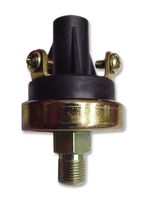
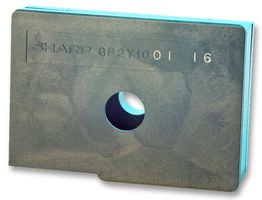
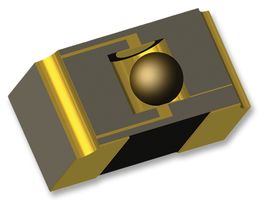
Sensors are vital in maintaining harsh environments by providing critical data for monitoring, controlling, and optimizing conditions. They help ensure safety, protect equipment, comply with regulations, and enhance operational efficiency. Industrial environments pose unique challenges, such as exposure to flammable gases, explosive dust, and extreme conditions. By leveraging sensor technology, industries can effectively manage challenging conditions and mitigate associated risks. Here are some types of sensors designed to withstand such harsh industrial conditions:
When designing sensor applications for harsh environments, engineers must carefully consider the specific conditions in which each sensor will operate. Effective design ensures that sensors can handle extreme temperatures, pressures, vibrations, and corrosive elements while providing accurate and reliable data. Here’s a structured approach to selecting the right sensors for these challenging conditions:
In harsh environments, effective packaging and environmental isolation of sensors are crucial for ensuring their reliable performance. Proper packaging protects the sensor components from extreme conditions while maintaining connectivity to external systems. Sensors must be designed to withstand exposure to corrosive substances, high temperatures, and mechanical stresses while remaining in contact with the medium they measure. For example, miniaturized pressure sensors are engineered to endure aggressive environments, including exposure to strong oxidizers like halogens in automotive or medical applications and chlorine in wearables used in swimming pools or seawater. Without robust packaging, sensors risk corrosion and failure, impacting their functionality and reliability. Therefore, choosing the right materials and designs for packaging is essential to protect sensors from environmental damage and ensure accurate and long-lasting operation.
A stainless-steel pipe with flowing water was used, fitted with an immersion RTD probe and a surface RTD sensor, as shown in Figures 1 & 2, to set up an experiment. This experiment compares the performance of the HANI High-Accuracy, Non-Invasive Clamp Temperature Sensor with traditional temperature sensors.
Figure 1: Comparison of Temperature Readings During Fluid Transition: Immersion RTD Probe vs. Surface RTD Sensor (Source)

Figure 2: Comparison of Temperature Readings During Fluid Transition: Surface RTD Sensor vs HANI High Accuracy, Non-Invasive Clamp Temperature Sensor (Source)
The HANI High Accuracy, Non-Invasive Clamp Temperature Sensor is specifically designed to thrive in harsh industrial environments due to its robust and user-friendly features. Its non-invasive design allows for easy installation on the exterior of pipes, eliminating the need for penetration or modifications that could introduce contamination or require complex procedures. This design prevents common issues such as media buildup and sensor wear, which are particularly problematic in harsh conditions where aggressive or abrasive substances are present.
The sensor’s accuracy is maintained through its combination of surface temperature measurement and a Heat Flux Sensor, which accounts for heat loss and material properties, ensuring reliable readings even in challenging environments. The straightforward installation process, which can be completed by hand in seconds, minimizes downtime and operational disruption—critical in high-stakes industrial settings.
Furthermore, the sensor's durability is enhanced by its non-invasive nature, which reduces the risk of equipment wear and contamination. This makes it suitable for industries dealing with sensitive or abrasive media. Its versatile communication options, including 4-20 mA analog output, direct laptop connection, and LayerN cloud monitoring, support various industrial applications and facilitate easy integration into existing systems. Additionally, the pre-loaded thermal conductivity values for different materials ensure accurate measurements without the need for additional calibration, further simplifying its use in demanding environments. Overall, the HANI sensor’s design features make it a reliable and cost-effective solution for industrial temperature measurement in harsh conditions.
Designing sensor systems for hazardous environments requires meticulous attention to durability and performance in extreme conditions. Advanced packaging protects these sensors from harsh elements, while compliance with functional safety standards guarantees reliability. Infineon’s air pressure sensor exemplifies this approach, offering autonomous operation, low power consumption, and robust diagnostics for detecting thermal runaway events in electric vehicle battery packs. By leveraging such sophisticated sensors, industries can enhance safety, maintain operational efficiency, and extend the longevity of critical equipment in challenging environments.
Eine der größten Revolutionen der menschlichen Geschichte! KI ist ein ganzheitliches Konzept, das menschliche Intelligenz in Maschinen integriert
The #1 Destination for Embedded Evaluation Boards, Development Kits, and Tools
Wir erweitern unsere Bibliothek ständig mit Whitepapers, technischen Artikeln, Videos, Schulungsmodulen, Tutorials und vielem mehr, um Sie bei der Entwicklung Ihrer Designs, Ihres Geschäfts und Ihrer Karriere zu unterstützen